Chapter One
Before and After Columbine: Historical Context and Evolution of School Shootings
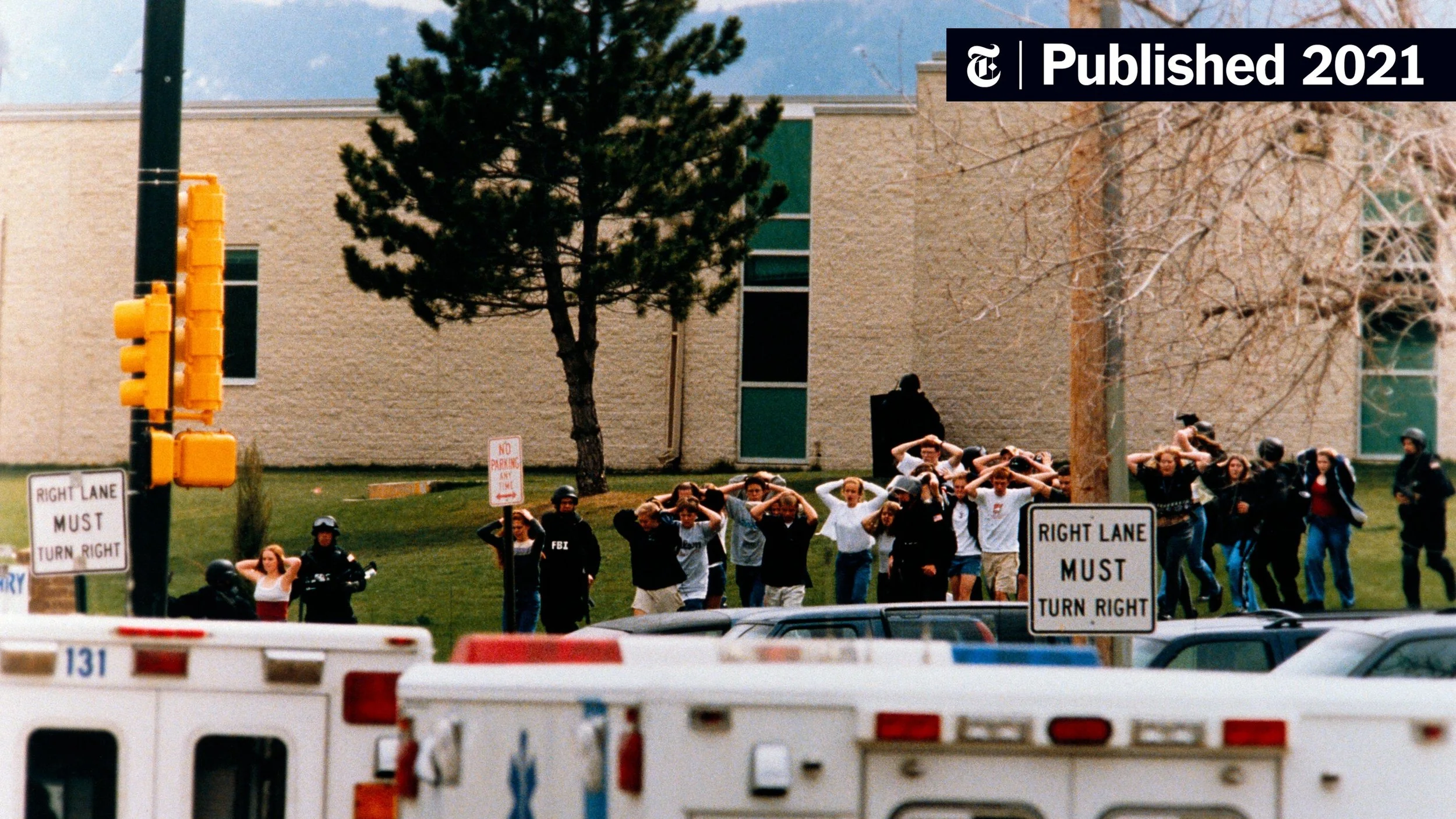
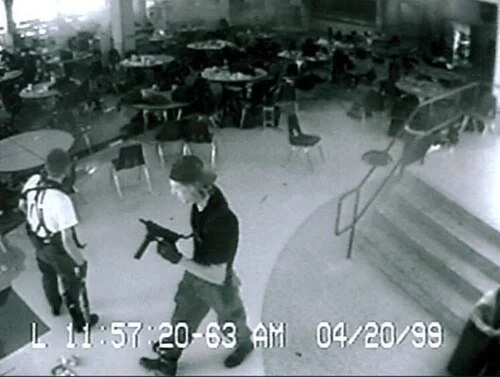
The Columbine High School massacre marked a turning point in how Americans understand school violence. While incidents had occurred before, they were typically viewed as isolated conflicts and received limited national attention. Columbine changed that by becoming one of the first widely televised tragedies, amplified by 24-hour news and emerging internet access. This coverage transformed the event into a national reference point, reshaping public perception and creating a new framework for understanding school shootings. In its aftermath, these acts were no longer seen as rare or disconnected but as part of a broader and more alarming pattern.
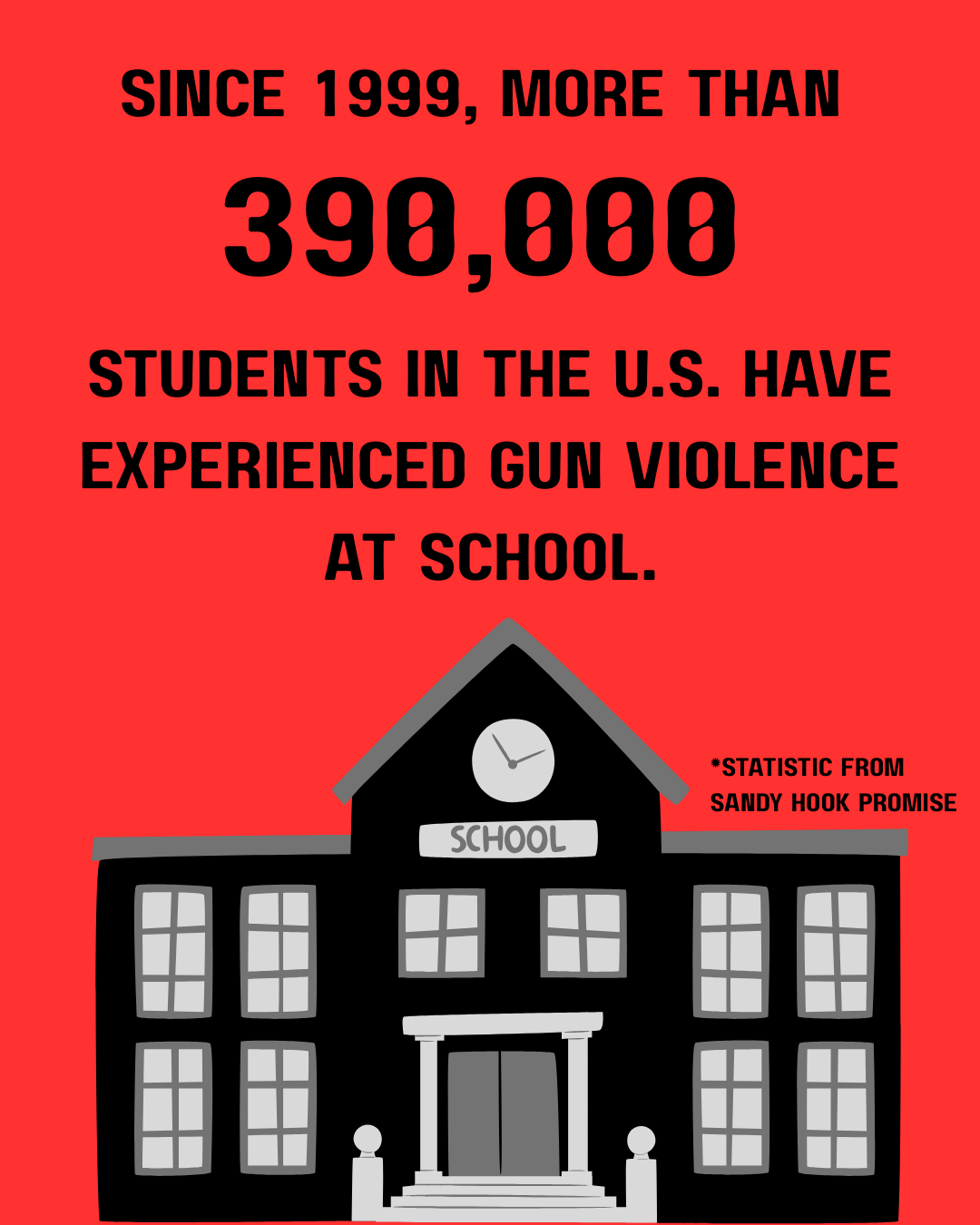
Since 1999, school shootings have become more frequent, more visible, and more culturally embedded. Many attacks now show patterns of premeditation, symbolic targeting of schools, and influence from past events, suggesting a “copycat” effect fueled by media exposure. At the same time, schools have adapted by implementing safety measures like active shooter drills, which have become a routine part of student life. However, experts argue that these responses often prioritize reaction over prevention, overlooking deeper issues like student belonging, mental health, and cultural influences. As a result, school shootings have shifted from isolated crises to a normalized part of the American educational experience, with lasting psychological and cultural impacts on students, educators, and communities.