Chapter Two
What We Already Know: Research and Theories
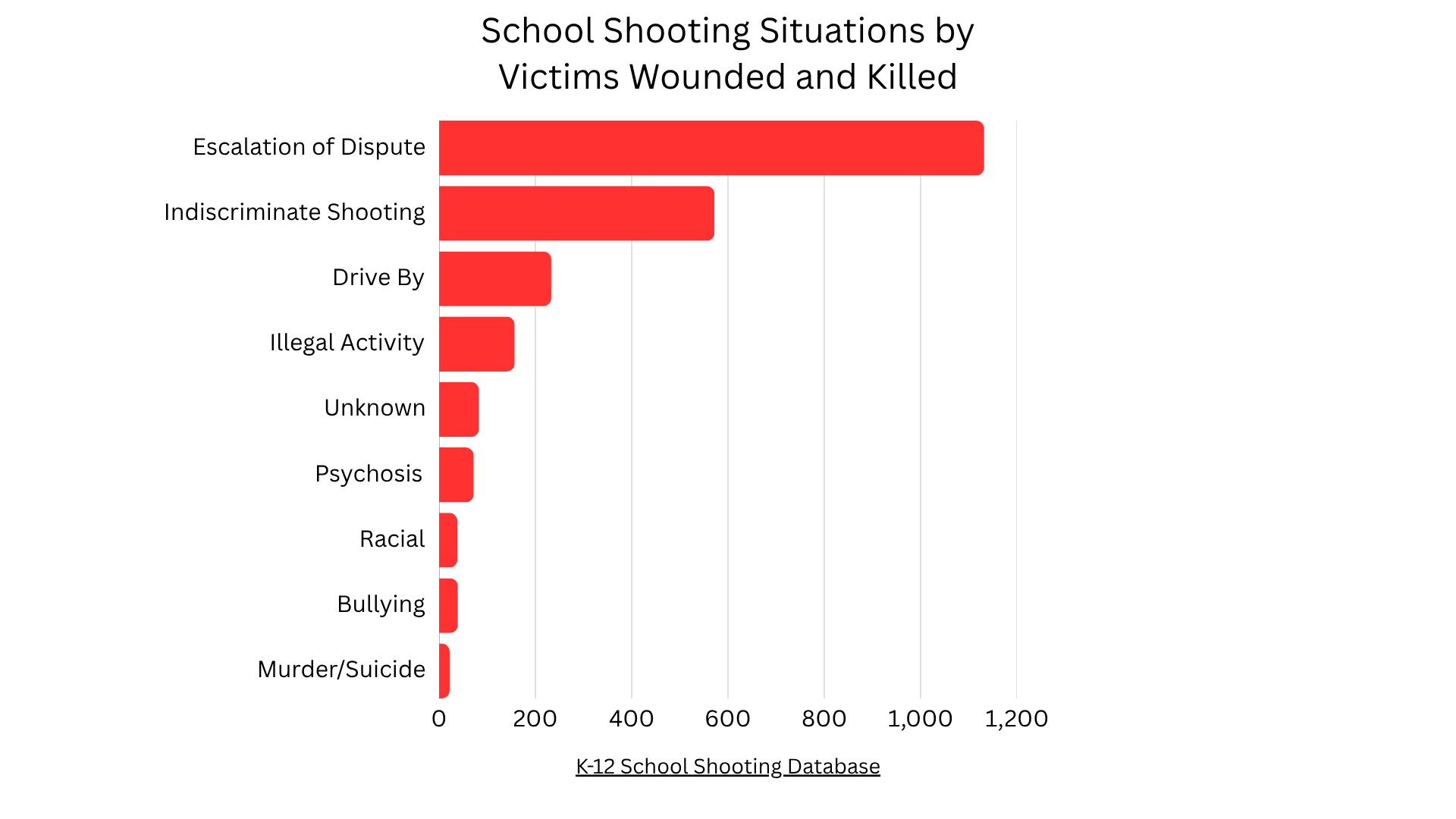
After every school shooting, the same question emerges: why did this happen? Despite decades of research, there is no simple answer. Instead of a single cause or clear profile, experts have found that these acts stem from a complex interaction of psychological, social, and cultural factors. Researchers like Peter Langman emphasize that understanding perpetrators requires looking at both individual traits and the environments that shape them. Common explanations—such as bullying, mental illness, or violent media—may play a role, but none are sufficient on their own, and focusing too narrowly on one factor often oversimplifies the issue.
Because there is no consistent pattern or profile, predicting or preventing these attacks is extremely difficult. While some warning signs—like threatening statements or concerning behavior—do appear in many cases, they are not always recognized or taken seriously, and sometimes they are absent altogether. Researchers instead rely on broader frameworks, like Langman’s biopsychosocial model or theories such as General Strain Theory, to understand how multiple factors interact. Even with these tools, major gaps remain, including inconsistent data definitions and limited access to perpetrators’ motives. Ultimately, this research shows that school shootings cannot be reduced to a single explanation and that meaningful prevention requires acknowledging and addressing this complexity.