Chapter Three
Gender & Violence: Why the Majority of School Shooters are Male
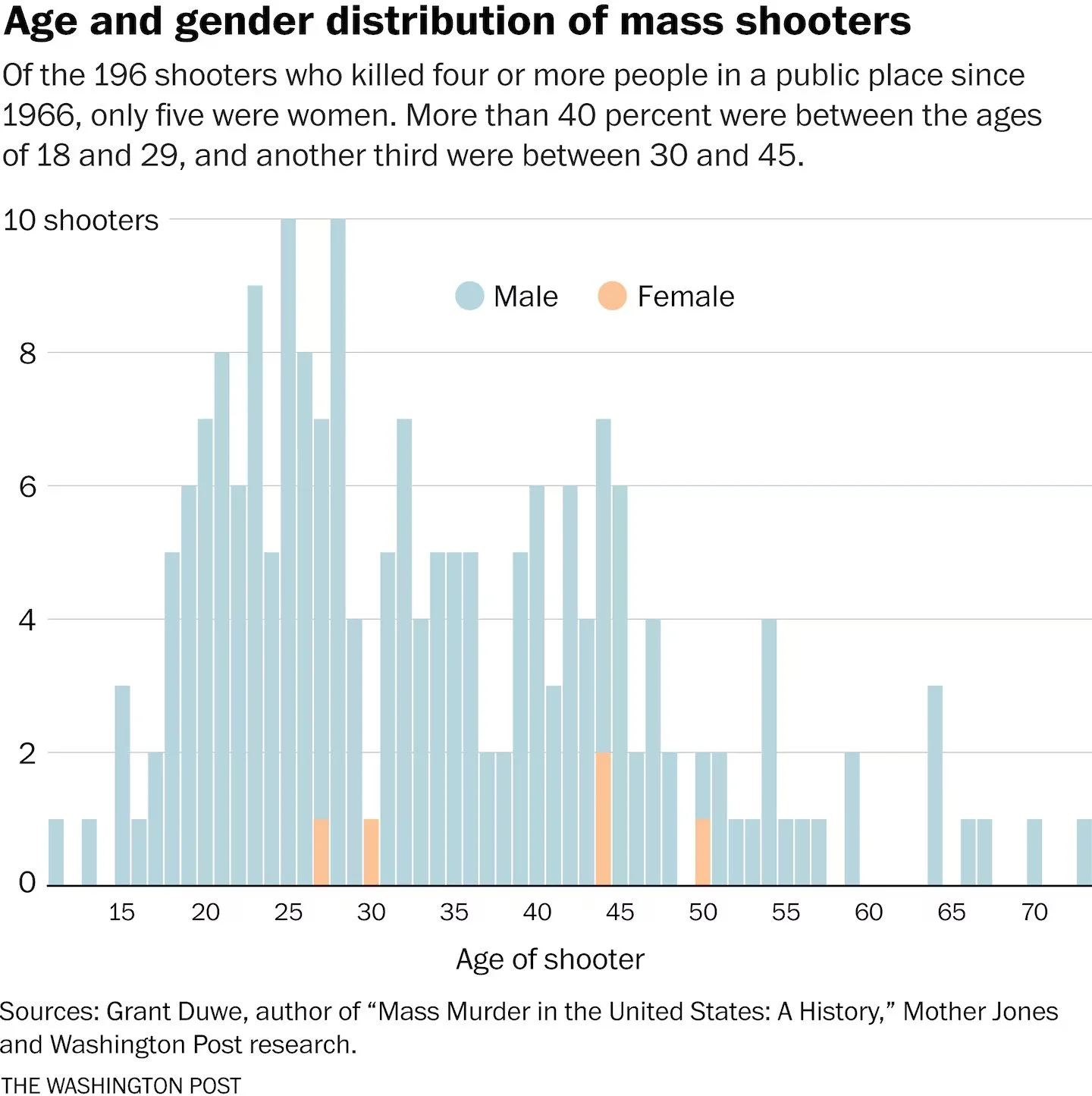
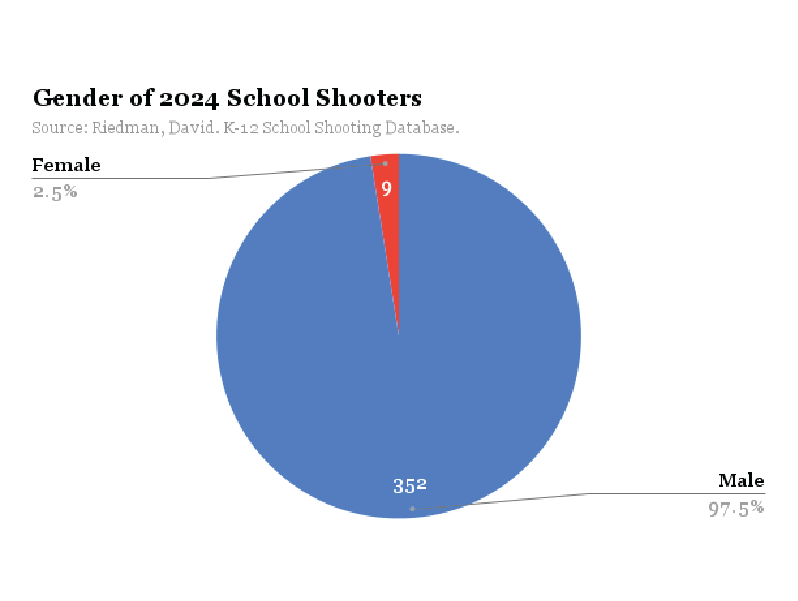
One of the most consistent and striking patterns in school shooting data is that nearly all perpetrators are male. Across decades of cases—from early incidents to the Columbine High School massacre and the Sandy Hook Elementary School shooting—the overwhelming majority of attackers have been boys or young men. This pattern raises an important question: why is this form of violence so heavily gendered? Research suggests that the answer lies not in a single cause, but in how societal expectations of masculinity interact with personal experiences. Cultural norms often teach boys to suppress vulnerability and prioritize dominance and control, which can shape how they respond to feelings like rejection, humiliation, or failure.
Theories like General Strain Theory and hegemonic masculinity help explain how these pressures may contribute to violence. While many young people experience stress or social struggles, boys are often less encouraged to seek help and more likely to externalize emotions through anger or aggression. In rare and extreme cases, this can lead to violence, especially when combined with other factors like psychological distress, access to weapons, and exposure to cultural narratives that frame violence as a form of power or recognition. Still, gender alone is not a cause or predictor of school shootings—most young men who experience these challenges never become violent. Instead, gender serves as an important lens for understanding how different risk factors come together, reinforcing the broader conclusion that school shootings result from a complex interaction of influences rather than a single explanation.