Chapter Four
The Role of Gun Access: Firearm Availability and Lethal Opportunity
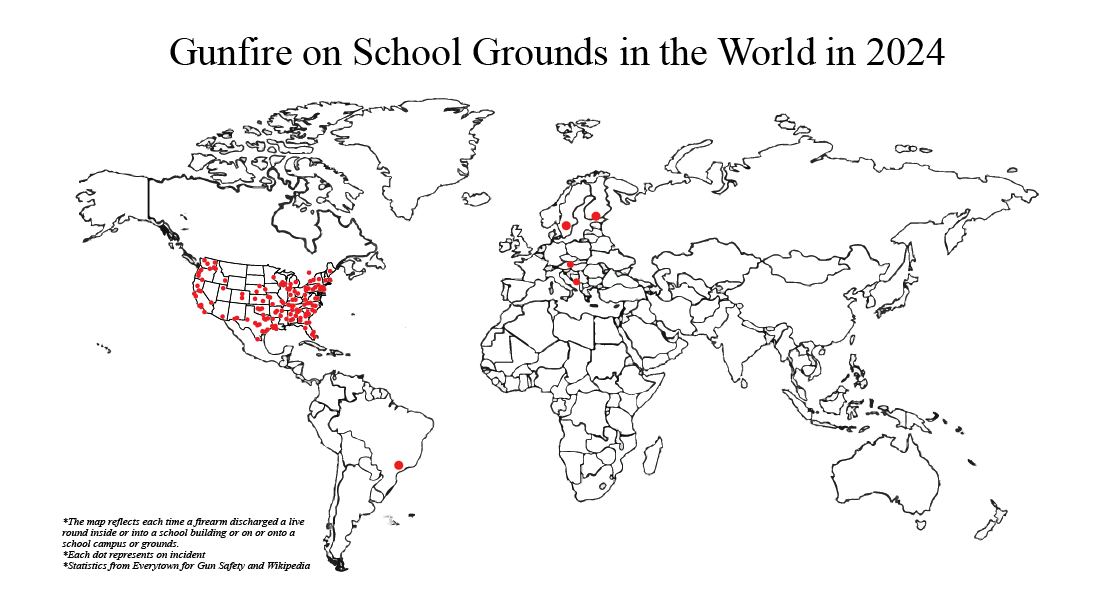
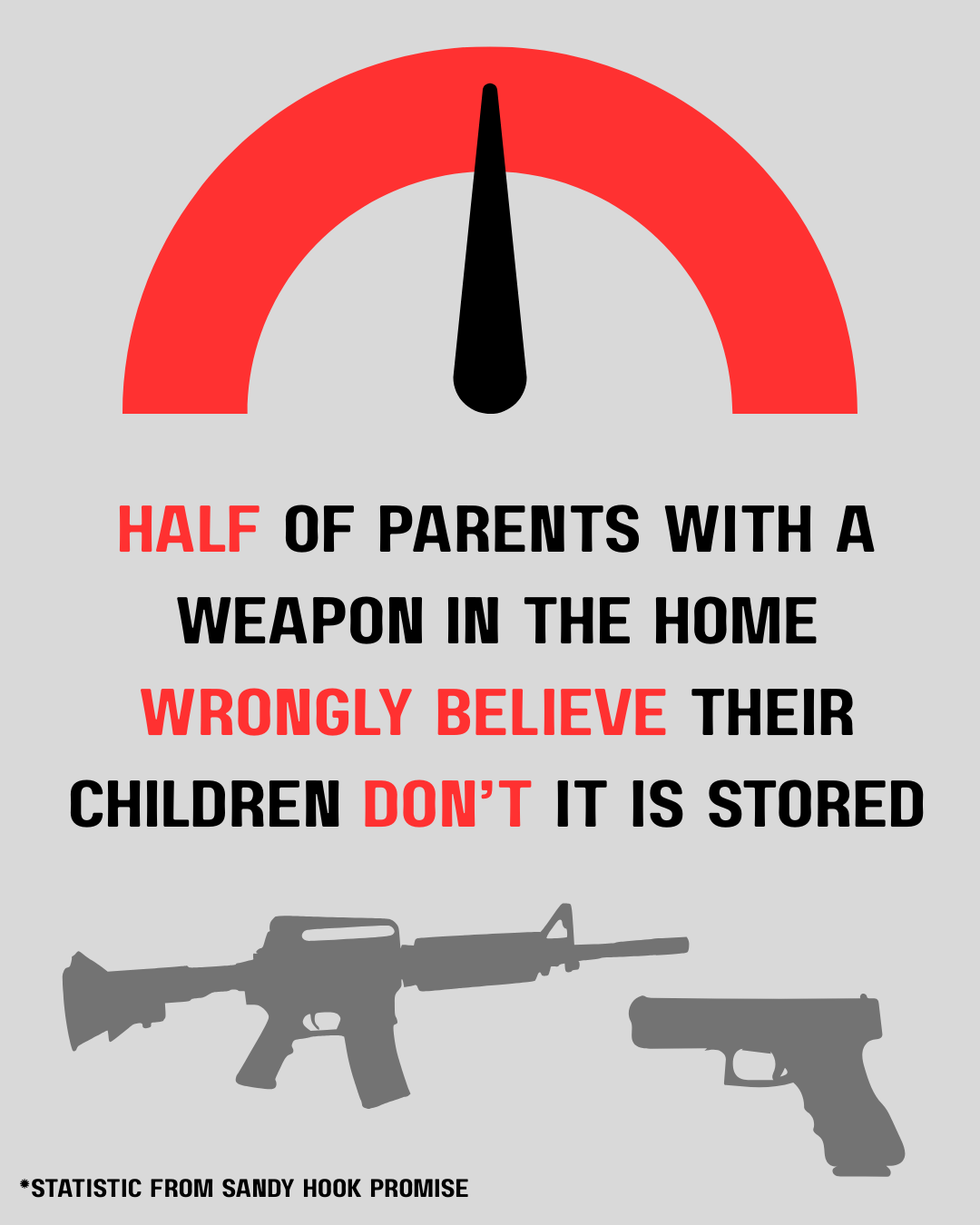
Access to firearms is one of the most consistent factors that turns violent thoughts into devastating action. While having a gun does not explain why someone wants to cause harm, it significantly increases the likelihood that those thoughts become reality—and determines how much damage can be done. Research shows that many school shooters obtain firearms from their own homes or relatives, often already knowing how to access and use them. For adolescents, this access is especially dangerous, as heightened emotions and impulsivity can quickly escalate into irreversible decisions when a weapon is readily available. In this way, firearms don’t create the intent for violence, but they remove the barriers that might otherwise prevent it.
Firearms also dramatically increase the scale and speed of violence, allowing individuals to cause widespread harm in a short amount of time, particularly in environments like schools. Even proposed solutions like safe storage, while helpful, are not foolproof and can still be bypassed in determined situations. This highlights a larger issue: schools and educators may recognize warning signs and intervene, but they often lack control over whether a student has access to a gun outside of school. Ultimately, understanding school shootings requires looking at both internal factors—like emotional distress and impulsivity—and external conditions like firearm access, which together make these tragedies more likely and more lethal.